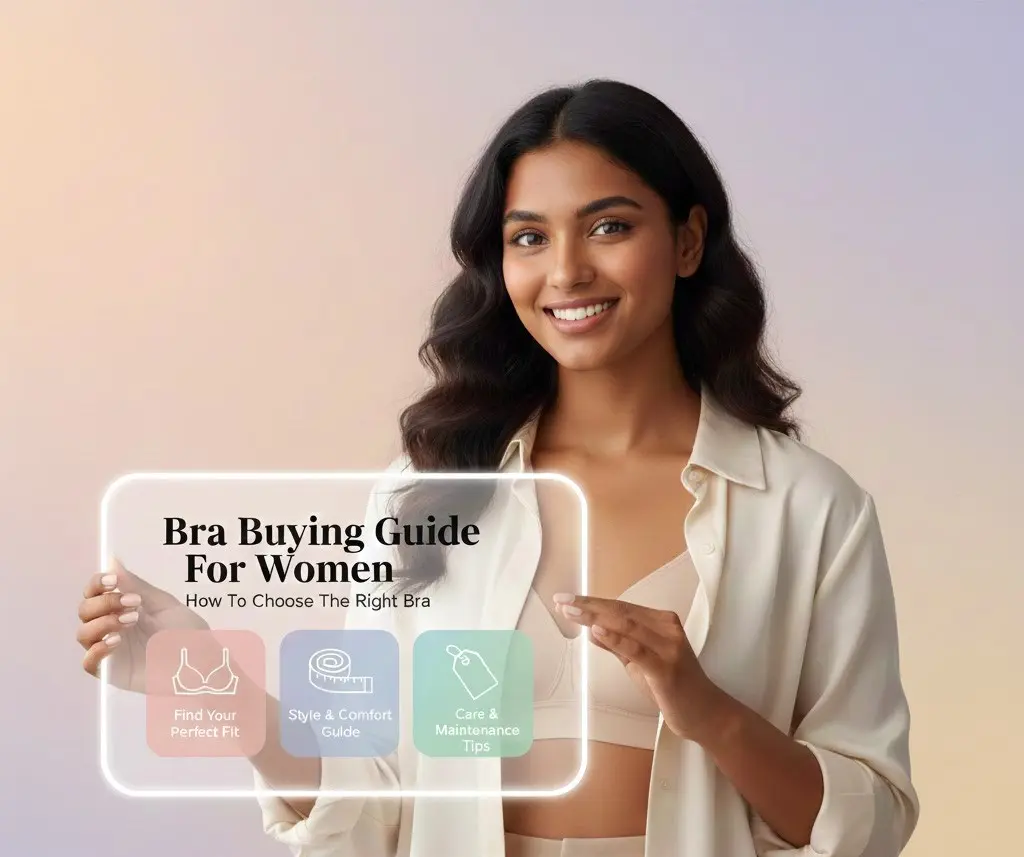
Why the Right Bra Matters More Than You Think
A bra is one of the first things we put on every morning, yet it’s often the last thing we think about. Most women get used to small discomforts — straps slipping, bands digging in, cups that don’t sit quite right. Over time, these things start to feel “normal”. But they don’t have to be.
The truth is, the right bra quietly supports you through long workdays, busy schedules, travel, and everything in between. When a bra fits well, you don’t keep adjusting it. You don’t feel tired by evening. You stand a little straighter and feel more at ease in your clothes.
In India, choosing the right bra can be even more challenging. Our weather, long hours, and daily routines demand comfort first. Yet many of us continue wearing bras that are too tight, too loose, or simply not made for our lifestyle — often because we bought them years ago and never looked back.
A good bra is not about fashion trends or labels. It’s about how you feel from morning to night. It’s about support without pressure, coverage without bulk, and confidence without effort.
This bra buying guide is meant to simplify things to help you understand what works for your body and your daily life. Because when your basics are right, everything else feels easier.
Common Bra Mistakes Most Women Make (And How to Fix Them)
Most bra problems don’t come from bad products — they come from small mistakes we repeat without realising it. Over time, these habits turn into daily discomfort that we simply accept.
One of the most common mistakes is wearing the wrong size for years. Our bodies change with age, weight, lifestyle, and even stress. Yet many women continue buying the same size they wore in their early twenties. A bra that once fit well may no longer offer the support it should.
Another frequent issue is depending too much on the straps. If your shoulders hurt by evening, it’s often because the band is doing too little work. Straps are meant to adjust the fit, not carry the full weight. A well-fitted band should feel secure even when the straps are loosened.
Many women also hold on to old bras far longer than they should. When the elastic stretches out, the bra loses its shape and support, even if it still “looks fine”. Washing bras roughly or too often in machines can speed up this wear and tear.
Lastly, we often buy bras based on how they look, not how they feel. A pretty design might impress in the mirror but become uncomfortable after a few hours. Comfort always shows in the long run.
The good news is that, once you understand these small mistakes, fixing them is simple. A few mindful choices can make a big difference in how you feel every single day.

Understanding Bra Sizes in Simple Words
Bra sizes can feel confusing, but they don’t have to be. Once you understand the basics, everything becomes much easier.
A bra size has two parts: the band size and the cup size. The band is the number (like 32, 34, or 36), and it tells you how snug the bra feels around your body, just under the bust. This part is very important because most of the support comes from the band, not the straps.
The cup size is the letter (A, B, C, and so on). Many women think the cup shows how “big” or “small” they are, but that’s not fully true. Cup size is about proportion, not volume alone. This is why a 34C and a 36B can look similar but fit very differently.
If your band is too loose, the bra will ride up at the back. If it’s too tight, it will feel uncomfortable and restrict movement. A well-fitted band should feel firm but easy to breathe in.
When the cup size is right, your bust sits comfortably inside the cups without spilling over or leaving gaps. The centre of the bra should sit flat against your chest, and the cups should feel smooth, not tight or wrinkled.
Getting the size right is not about perfection. It’s about finding a fit that feels supportive, secure, and natural for your body today — not the size you wore years ago.
How a Well-Fitting Bra Should Feel
A well-fitting bra should never demand your attention. If you are constantly adjusting it, something isn’t right.
When you put on a bra that fits well, the first thing you notice is comfort. The band sits snugly around your body without digging in or riding up. It feels secure, almost like a gentle hug, giving you support without pressure.
The cups should hold your bust smoothly. There should be no spilling over the top or sides, and no empty spaces or wrinkles. Your bust should feel lifted and supported, not pushed or squeezed.
Straps are meant to help with balance, not carry all the weight. They should rest comfortably on your shoulders without leaving deep marks by the end of the day. If loosening the straps makes the bra feel useless, the band may be too loose.
You should also be able to move freely — stretch, bend, sit, and walk — without feeling restricted. A good bra stays in place as you move with your body, not against it.
Most importantly, a well-fitting bra should feel almost invisible after a few minutes. When you forget you’re wearing one, that’s usually the best sign you’ve found the right fit.
Choosing the Right Bra for Your Daily Life
Not every bra is meant for every moment of your day. The right choice depends on how you live, move, and spend your time.
For long workdays, comfort and support matter most. You may be sitting, standing, walking, or commuting for hours. A bra that feels fine for one hour may feel tiring by evening. For daily work wear, look for styles that offer good coverage, a firm band, and fabric that lets your skin breathe. These bras help you stay comfortable without constantly adjusting.
At home or on relaxed days, your needs change. This is when most women prefer softer bras that feel light and easy on the body. Support still matters, but pressure does not. Comfort-first bras allow you to move freely while feeling gently held.
For travel or days when you’re moving more than usual, stability becomes important. You want a bra that stays in place, supports movement, and doesn’t dig in. The goal is to feel secure without feeling restricted.
The key is not to force one bra to do everything. Just like you wouldn’t wear the same shoes everywhere, your bras should suit different parts of your day. When your bra matches your routine, comfort comes naturally — and you feel more at ease in everything you wear.
Padding, Underwire & Support — What You Actually Need
When it comes to bras, words like padding and underwire often create confusion. Many women avoid certain styles simply because of myths they’ve heard. Let’s make this simple.
Padding is not always about adding volume. For many women, light padding is about feeling secure and covered, especially under thin or fitted clothes. It helps create a smooth shape and reduces visibility, which can be comforting during long days. Heavy padding, on the other hand, is more about styling and special outfits.
Non-padded bras offer a more natural feel. They are often lighter and more breathable, making them a good choice for everyday wear, especially in warm weather. Many women prefer them at home or for shorter outings.
Underwire is another misunderstood feature. A well-made wired bra gives structure and lift, especially for fuller busts. If a wired bra feels painful or pokes the skin, it is usually a sign of the wrong size, not a bad design.
Wire-free bras focus on comfort. They are gentle on the body and ideal for long hours, travel, and relaxed days. While they may offer slightly less shaping, they make up for it with ease and flexibility.
In the end, there is no right or wrong choice. The best bra is the one that supports your body without asking for attention — quietly doing its job while you go about your day.
Fabric Matters: What Works Best in Indian Weather
In a country like India, fabric can make or break your comfort. Even a well-fitted bra can feel uncomfortable if the fabric does not suit the weather or your daily routine.
Cotton is a favourite for a reason. It feels soft on the skin, allows airflow, and absorbs sweat well. For everyday wear, especially during warmer months, cotton bras feel light and breathable. The only thing to remember is that pure cotton bras may lose shape over time, so gentle care is important.
Microfiber and blended fabrics are popular for a smoother look. They feel soft, stretch well, and sit neatly under clothes, making them ideal for office wear and fitted outfits. These fabrics usually dry faster than cotton but may feel slightly warm in peak summer.
Some bras use mesh or breathable panels to improve airflow. These designs are helpful if you sweat easily or live in humid regions. They help keep the skin dry without adding bulk.
When choosing fabric, think about how long you’ll be wearing the bra and what your day looks like. Comfort in Indian weather is not about fancy materials — it’s about breathability, softness, and how your skin feels from morning to night.
Illustrative Style Guide: Popular Bra Types Explained
There are many bra styles available today, and it’s easy to feel overwhelmed. This section is meant to simplify, not confuse. Think of it as a gentle guide to help you recognise common bra styles and understand where they fit into everyday life.
Full-Coverage Bras: Everyday Support You Can Rely On
Full-coverage bras are designed to hold and support the bust completely. The cups cover more area, offering a secure and balanced feel. This style is especially comforting for daily wear, long hours, and work routines. Many women prefer full-coverage bras because they stay in place and feel dependable through the day, without needing constant adjustment.

Push-Up Bras: For Shape and Special Outfits
Push-up bras are often misunderstood. Their main purpose is not to change your body, but to lift and bring the bust closer together for a defined shape. They work well under certain outfits, such as dresses or fitted tops. Push-up bras are usually chosen for occasions or specific looks rather than all-day comfort.
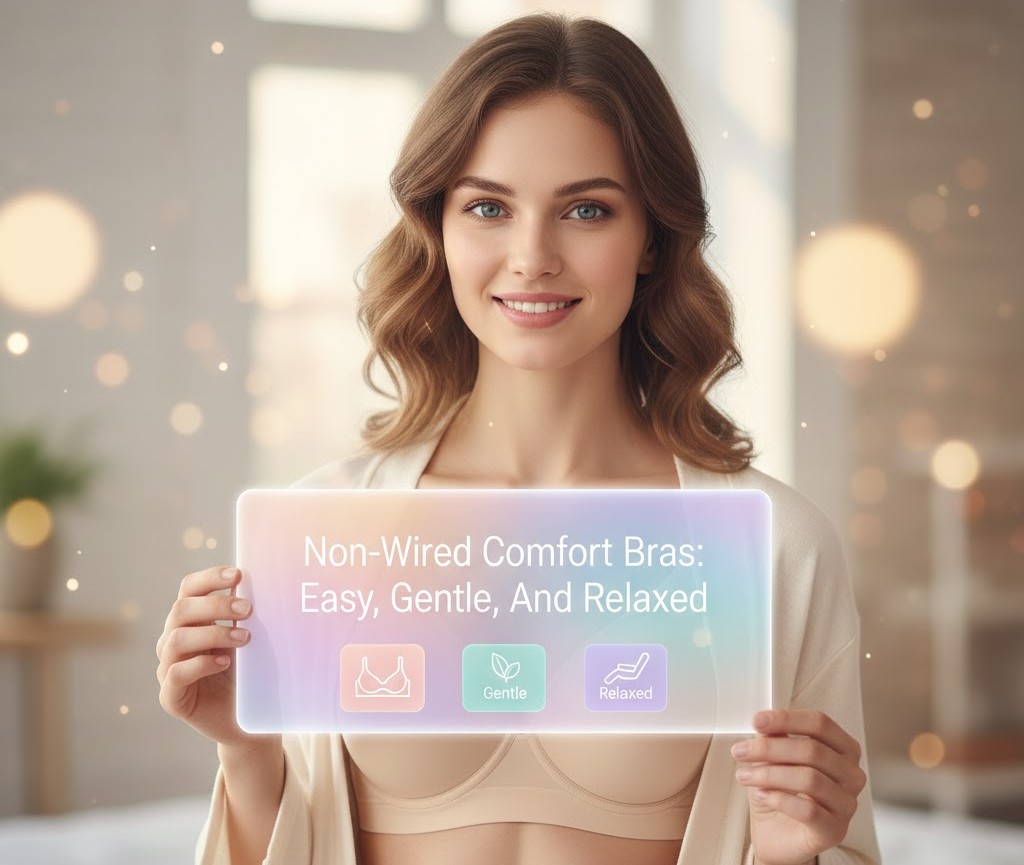
Non-Wired Comfort Bras: Easy, Gentle, and Relaxed
Non-wired comfort bras are designed for ease. With no underwire and softer construction, they feel gentle on the body. These bras are ideal for home wear, travel, and relaxed days when comfort matters more than structure. Many women keep a few of these as their go-to option for long, easy days.
The idea is not to label one style as better than another. Each bra type has a role to play. When you understand what each style is meant for, choosing the right one becomes simple — and much more satisfying.
How Many Bras Should You Own? A Practical Wardrobe Guide
There’s no fixed number that works for everyone, but having the right mix makes daily life much easier.
For regular use, it’s good to have at least two or three bras that you rotate during the week. This gives each bra time to rest between wears, which helps maintain its shape and support for longer.
Along with your everyday bras, having one or two bras for work or formal outfits is helpful. These are usually smoother styles that sit neatly under clothes and give a polished look.
It’s also wise to keep at least one comfort-focused bra for home, travel, or relaxed days. This is the one you reach for when you want ease above everything else.
Think of your bra collection like your wardrobe basics. You don’t need too many, just the right ones for different moments of your day. When each bra has a purpose, getting dressed becomes simpler and more comfortable.
When It’s Time to Replace Your Bra
Bras work quietly in the background, which is why we often don’t realise when they stop doing their job. Many women continue wearing the same bra for years, simply because it still “looks fine”.
One of the first signs is the band. If you’re using the tightest hook and the bra still feels loose, the elastic has likely stretched out. When the band no longer sits firmly, the bra loses most of its support.
Another sign is the cups. If they no longer hold their shape, feel uneven, or don’t sit smoothly, the bra may be worn out. You may also notice that the straps keep slipping, even after adjusting them.
Pay attention to how you feel by the end of the day. If your shoulders ache or you feel tired around the chest area, your bra may no longer be supporting you properly.
On average, a regularly worn bra lasts about six to nine months. Replacing bras on time isn’t wasteful — it’s a small act of care for your comfort and well-being.
Bra Buying Guide Tips Before You Look for Deals
Sales can be tempting, but a good deal only feels good when the bra actually fits and feels right. Before adding multiple pieces to your cart, pause for a moment and think about your needs.
Start by checking your current bras. Notice what you reach for most often and which ones stay unused. This tells you more than any discount tag ever will. Comfort patterns repeat for a reason.
Always look at the size chart for each brand. Sizes can vary slightly, so it’s best not to assume one size fits all. If you’re trying a new brand, buying one piece first is a safer choice.
Pay attention to fabric details, especially if you wear bras for long hours. Breathable materials may cost a little more, but they usually feel better throughout the day.
Finally, remember that smart shopping is not about buying more — it’s about buying better. When you understand what suits your body and lifestyle, even a simple purchase can feel like the right one.
Final Takeaway: Comfort Is Always in Style
Trends come and go, but comfort never loses its value. The right bra is not about changing how you look — it’s about supporting how you live.
When your bra fits well, you move freely. You feel at ease in your clothes. You stop adjusting, fixing, and thinking about it altogether. That quiet comfort adds up through the day, often in ways we don’t notice until it’s missing.
Understanding your size, choosing the right style for your routine, and paying attention to fabric can make a real difference. These are small choices, but they shape how you feel from morning to night.
There’s no single “perfect” bra for everyone. The best one is simply the one that feels right for you — today, in your body, and in your life.
Take your time. Trust how you feel. And remember, when it comes to everyday essentials, comfort is always in style.
FAQs
❓ How do I know if my bra fits properly?
A well-fitting bra feels secure but comfortable. The band should sit firmly without riding up, the cups should hold the bust smoothly without gaps or spillage, and the straps should not dig into your shoulders. If you forget you’re wearing it after a while, the fit is usually right.
❓ Is it better to choose padded or non-padded bras?
Both work well — it depends on your comfort and lifestyle. Lightly padded bras offer smooth coverage under clothes, while non-padded bras feel lighter and more breathable. There is no “better” option, only what feels right for you.
❓ Are wired bras uncomfortable?
Wired bras are not uncomfortable when the size is correct. In fact, they provide good support and shape. Discomfort usually happens when the band or cup size is wrong, not because of the wire itself.
❓ How often should I replace my bras?
If worn regularly, most bras last about six to nine months. When the band feels loose, cups lose shape, or straps stop staying in place, it’s usually time to replace them.
❓ Can I wear the same bra all day?
Yes, as long as the bra is comfortable and suits your routine. For long hours, choose breathable fabric, good coverage, and gentle support. If a bra causes discomfort by evening, it may not be the right style for all-day wear.
❓ How many bras should I own?
Most women are comfortable with four to six bras in rotation. This usually includes daily wear bras, one or two smoother options for work outfits, and at least one comfort-focused bra for relaxed days.
Also Read
- 9 Affordable Cotton Bras for Indian Summer 2025 –DealNxt
- 10 affordable Women’s Nightwear Sets in India (2025)
- New Arrivals Nighties and Nightdresses India (2025)
Disclaimer
This bra buying guide is shared for general information and awareness only. Fit, comfort, and support needs can vary from person to person based on body shape, lifestyle, and personal preference. The styles and examples mentioned are meant to help readers understand different options, not to replace professional fitting advice.
DealNxt may earn a small commission from qualifying purchases made through affiliate links, at no extra cost to the reader. This helps support our content while keeping our guides free and unbiased.

About the Author:
Madhu Roy is the founder of DealNXT.in, where she researches and shares honest product insights, deals, and practical buying guides. She focuses on researching online deals, comparing budget-friendly products, and creating practical buying guides for everyday shoppers, and her love for travel and everyday lifestyle shopping helps her understand what readers truly need. Her goal is to help people save time, avoid poor purchases, and shop smarter online with confidence.