Why Winter Innerwear Deserves More Attention
Winter dressing often starts with sweaters, jackets, and scarves. But what we wear underneath matters just as much. When the inner layer is right, staying warm feels effortless. When it’s wrong, even the best outerwear can feel uncomfortable.
Many women rely on extra layers instead of choosing the right winter innerwear. The result is bulky clothing that still doesn’t feel warm enough. A good inner layer helps trap body heat close to the skin, keeping you comfortable without weighing you down — which is exactly what well-chosen thermal wear for women is meant to do.
Indian winters vary from place to place. Some days are mildly cold, while others feel surprisingly chilly, especially in the mornings and evenings. This is why winter innerwear for women in India needs to be flexible — warm enough for colder hours, yet light enough to wear all day.
The right winter innerwear keeps you warm without itching, overheating, or restricting movement. It allows your winter outfits to fall better and feel easier to wear. Most importantly, it helps you move through the day feeling comfortable, confident, and at ease.
In this winter innerwear guide, we’ll walk you through how to choose the right thermals for Indian winters — from understanding fabrics and fit to simple layering tips and smart buying advice. Because winter comfort doesn’t begin with your coat. It begins with what you choose to wear closest to your skin.
Common Winter Innerwear Mistakes Women Make
When winter arrives, many of us reach for whatever is already in our cupboard. Often, that’s where the problems begin.
One common mistake is wearing too many layers instead of the right one. Piling on clothes can feel heavy and uncomfortable, and it doesn’t always keep you warm. Without a proper inner layer, the warmth doesn’t stay where it should.
Another mistake is choosing winter innerwear that feels itchy or tight. If something irritates your skin, you’ll keep adjusting it all day. Comfort should never be a compromise, especially when you’re wearing something for long hours.
Some women avoid winter innerwear completely, thinking it will make them feel bulky. Others wear thick thermals meant for very cold weather, even on mild winter days, which can cause sweating and discomfort.
There’s also the habit of using the same winter innerwear year after year. Over time, the fabric stretches, thins out, and loses its ability to keep you warm, even if it still looks fine.
Understanding these small mistakes helps you make better choices. Winter innerwear should support your day quietly — not distract you from it.
Understanding Winter Innerwear in Simple Terms
Winter innerwear is designed to keep your body warm by holding heat close to your skin. Unlike regular innerwear, it acts as a base layer that helps maintain body warmth without needing heavy outer clothing.
The key role of winter innerwear is insulation. It creates a thin layer of warmth between your skin and the cold air outside. This is why the right innerwear can make even light winter clothing feel much warmer.
Winter innerwear also helps manage moisture. When your body stays dry, it feels warmer. Good innerwear absorbs or moves sweat away from the skin, preventing that cold, damp feeling that can make you uncomfortable.
Another difference is fit. Winter innerwear is usually worn close to the body so it can do its job properly. It should feel snug but never tight. You should be able to move freely without feeling restricted.
In simple words, winter innerwear works quietly in the background. It doesn’t need to be bulky or heavy. When chosen well, it helps you stay warm, comfortable, and at ease throughout the winter day.
Choosing the Right Winter Innerwear for Indian Winters
Indian winters are not the same everywhere. Some mornings feel sharply cold, while afternoons can be mild and sunny. This is why choosing winter innerwear needs a balanced approach.
For most parts of India, light to medium-weight winter innerwear works best. It keeps you warm during cooler hours without making you feel uncomfortable as the day warms up. Heavy thermals are usually needed only in regions with very cold temperatures.
Fit plays an important role. Winter innerwear should sit close to the body so it can hold warmth effectively, but it should never feel tight or restrictive. You should be able to layer clothes comfortably over it without feeling bulky.
Think about how long you will be wearing it. If you spend long hours indoors, lighter innerwear may be enough. If you’re outdoors early in the morning or late in the evening, slightly warmer options feel more comfortable.
The right winter innerwear adapts to your day. It keeps you warm when you need it and feels light when you don’t. Comfort, not heaviness, is what makes winter dressing easier.
Fabric Guide: What Keeps You Warm Without Feeling Bulky
The fabric of your winter innerwear plays a big role in how comfortable you feel through the day. Warmth should feel light, not heavy.
Cotton blends are a popular choice for mild winters. They feel soft on the skin and allow airflow, making them comfortable for long hours. On their own, cotton may not feel very warm, but when blended with other fibres, it offers a good balance of comfort and insulation.
Wool blends provide extra warmth and are better suited for colder days. Modern wool blends are softer than traditional wool and less itchy. They help retain heat well, especially during early mornings and evenings.
Microfiber and modern synthetic fabrics are designed to be lightweight and effective. They trap warmth close to the body while helping manage moisture. These fabrics are often smooth and sit well under clothes, making them a good choice for workwear and travel.
When choosing fabric, think about your skin sensitivity and daily routine. The best winter innerwear is the one that keeps you warm quietly, without making you feel bulky or uncomfortable.
Layering the Right Way: Innerwear That Works With Your Clothes
Layering in winter is not about wearing more clothes — it’s about wearing them the right way. When your innerwear works well, everything you wear on top feels more comfortable.
Winter innerwear should sit smoothly under your clothes. If it is too thick or loose, it can make outfits feel bulky and restrict movement. A well-fitted inner layer allows sweaters, kurtas, dresses, and jackets to fall naturally.
For fitted outfits, choose winter innerwear that feels light and close to the body. This helps avoid extra folds and keeps your overall look neat. For looser clothing, you can opt for slightly warmer innerwear without worrying about bulk.
It’s also important to match your innerwear to your outer layers. If you are wearing heavy sweaters or coats, lighter innerwear is often enough. If your outer layer is thin, a warmer base layer makes a big difference.
Good layering should feel effortless. When done right, you stay warm without feeling weighed down — and your winter outfits feel just as comfortable as they look.
Illustrative Style Guide: Popular Winter Innerwear Types
Winter innerwear comes in a few familiar styles. Knowing what each one is meant for makes choosing much easier. This section is simply to help you recognise the types and understand where they fit into daily winter dressing.
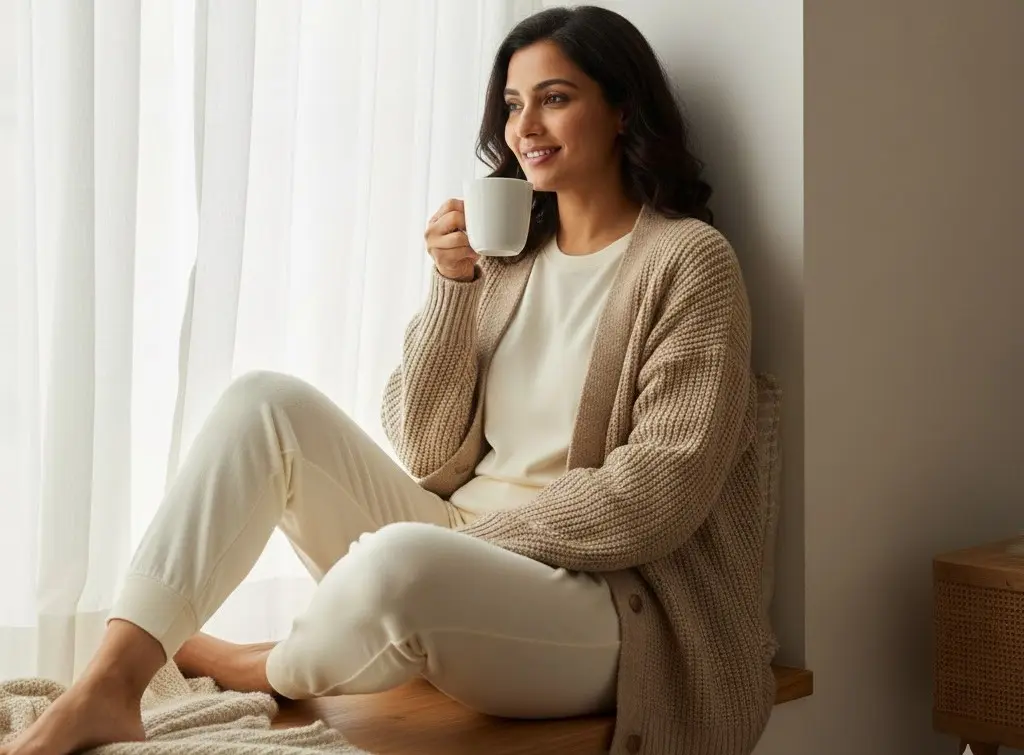
Thermal Tops: Everyday Warmth for Long Hours
Thermal tops are the most common winter innerwear choice. They are worn under sweaters, kurtas, shirts, or dresses to add warmth without bulk. A good thermal top feels light on the skin and stays in place as you move through the day. These are ideal for daily wear, workdays, and mild to moderate winters.
Thermal Leggings: Comfortable Layering for the Lower Body
Thermal leggings are designed to keep your legs warm, especially during cold mornings and evenings. They are worn under jeans, trousers, skirts, or long dresses. The best ones feel soft, stretch easily, and do not bunch up under clothing. Many women find them essential for winter travel and long outdoor hours.
Full Thermal Sets: Extra Warmth for Colder Days
Full thermal sets include both a thermal top and bottom, designed to be worn together. These are useful in colder regions or during particularly chilly days. They offer consistent warmth from top to bottom and work well when you’re spending more time outdoors or in very cold conditions.
Each of these styles has a purpose. The idea is not to own everything, but to choose what matches your winter routine. When you understand what each type is meant for, winter dressing becomes simpler and far more comfortable.
Care Tips: Making Your Winter Innerwear Last Longer
Winter innerwear is worn close to the skin, which means it needs a little extra care. With the right habits, it can stay comfortable and effective for much longer.
Washing gently is important. Harsh detergents and very hot water can weaken the fabric and reduce its ability to keep you warm. Mild detergent and normal water work best for most winter innerwear.
Try not to wash winter innerwear after every single wear unless it’s necessary. Letting it air out between uses helps maintain its shape and softness. When drying, avoid strong sunlight or high heat, as this can make the fabric stiff over time.
Storing winter innerwear properly also helps. Fold it neatly instead of hanging, as hanging can stretch the fabric. Keeping it in a clean, dry space ensures it’s ready and comfortable whenever you need it.
A little care goes a long way. When winter innerwear is treated gently, it continues to support you quietly through the season.
When to Replace Your Winter Innerwear
Winter innerwear often gets overlooked because it still looks fine on the outside. But over time, even the best pieces lose their ability to keep you warm.
One of the first signs is thinning fabric. If your thermal no longer feels as warm as it once did, even after layering, it may have lost its insulating strength. Stretching is another sign. When winter innerwear starts feeling loose or doesn’t sit close to the body, it can no longer hold heat properly.
Pay attention to comfort as well. If the fabric feels rough, itchy, or uncomfortable against the skin, it’s a sign that the fibres have worn out. This is especially common after repeated washing over multiple seasons.
As a general rule, regularly used winter innerwear lasts about one to two winters. Replacing it on time is not about buying more — it’s about staying comfortable. Fresh, well-fitting innerwear makes winter days feel easier and far more pleasant.
Smart Buying Tips Before You Look for Winter Deals
Winter sales can be tempting, especially when innerwear is involved. But before adding items to your cart, it helps to pause and think about what you truly need.
Start by checking what you already own. Notice which thermals you reach for most often and which ones stay untouched. This gives you a clear idea of what works for your body and routine. Buying more of what already feels comfortable is always a safer choice.
Pay attention to fabric and weight rather than just thickness. A lighter thermal made with the right material can feel warmer and more comfortable than a bulky one. Always check size guides carefully, as winter innerwear is meant to sit close to the body without feeling tight.
If you’re trying a new brand, avoid buying multiple pieces at once. One well-chosen piece is enough to understand the fit and feel. You can always add more later.
Smart winter shopping is not about buying more layers — it’s about choosing innerwear that quietly supports your comfort all season long.

Final Takeaway: Warmth Should Feel Effortless
Staying warm in winter doesn’t have to feel heavy or uncomfortable. When your innerwear is right, warmth comes naturally — without extra layers or constant adjustments.
The key is choosing winter innerwear that suits your climate, routine, and comfort needs. Light, well-fitted pieces often work better than thick, bulky ones. Fabrics that feel gentle on the skin and adapt to your day make winter dressing much easier.
Winter comfort begins with what you wear closest to your body. When that layer works quietly in the background, everything else feels simpler — from getting dressed in the morning to moving through long winter days.
Take your time when choosing winter innerwear. Focus on how it feels, not just how it looks. Because true winter comfort isn’t about piling on clothes — it’s about feeling at ease, warm, and confident all season long.
FAQs
❓ What is winter innerwear, and why is it important?
Winter innerwear is worn as a base layer to help keep body heat close to the skin. It helps you stay warm without adding bulky layers, making winter dressing more comfortable and practical.
❓ Do I need winter innerwear in mild Indian winters?
Yes, light winter innerwear works well even in mild winters. It helps regulate body temperature during cool mornings and evenings without making you feel too warm during the day.
❓ Which fabric is best for winter innerwear?
Cotton blends are comfortable for mild winters, while wool blends offer extra warmth for colder days. Microfiber and modern fabrics are lightweight and help trap warmth without feeling heavy.
❓ How should winter innerwear fit?
Winter innerwear should fit close to the body without feeling tight. A snug fit helps retain warmth, while allowing easy movement and comfortable layering.
❓ How many winter innerwear pieces do I really need?
Most women are comfortable with two to three thermal tops, one or two thermal leggings, and one full thermal set if they live in or travel to colder areas.
❓ How long does winter innerwear last?
With regular use and proper care, winter innerwear usually lasts one to two winters. If it feels thin, stretched, or less warm, it may be time to replace it.
Also Read
- Bra Buying Guide for Women in India (2025) | Fit & Comfort Tips
- Winter layering women India — Smart, Light & Stylish Guide
Disclaimer
This guide is for general information only. Comfort and fit may vary by individual. Some links may be affiliate links, and DealNxt may earn a small commission at no extra cost to you. Images are for illustration purposes only.

About the Author:
Madhu Roy is the founder of DealNXT.in, where she researches and shares honest product insights, deals, and practical buying guides. She focuses on researching online deals, comparing budget-friendly products, and creating practical buying guides for everyday shoppers, and her love for travel and everyday lifestyle shopping helps her understand what readers truly need. Her goal is to help people save time, avoid poor purchases, and shop smarter online with confidence.