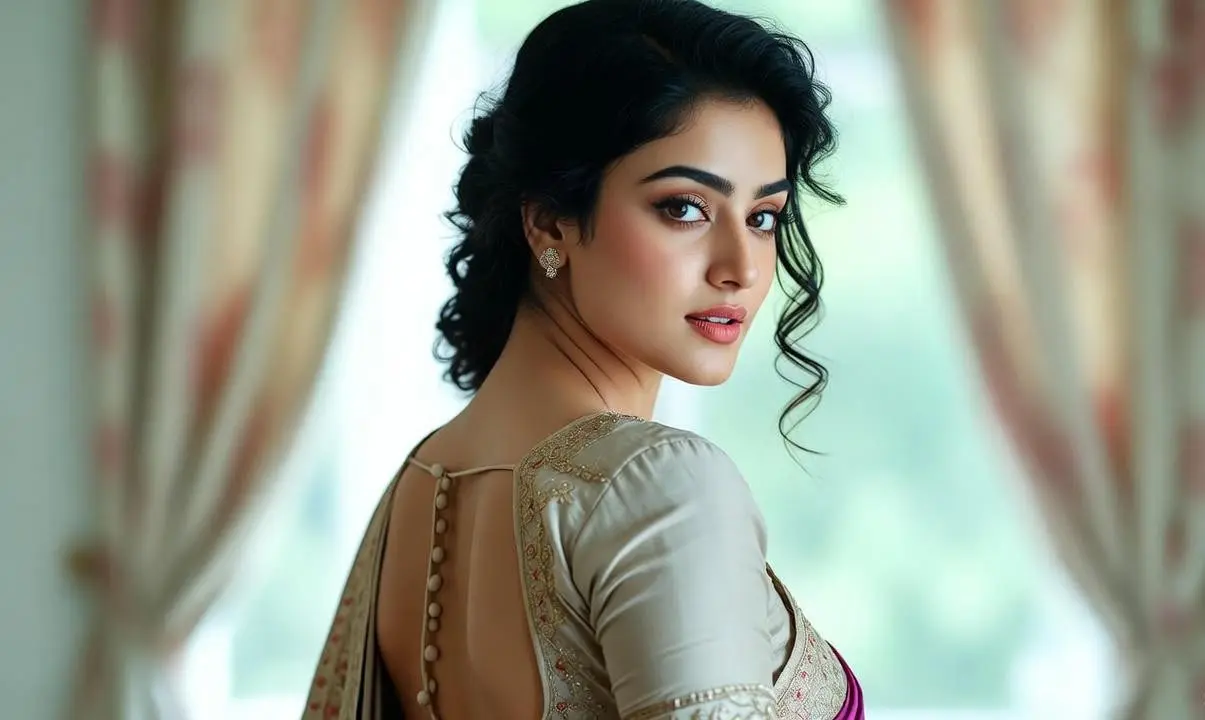
Why the Right Saree Blouse Matters
A saree may steal the spotlight, but the blouse quietly decides how confident you feel wearing it. We’ve all been there—adjusting sleeves, feeling tight around the chest, or counting hours until we can change. More often than not, the problem isn’t the saree. It’s the blouse.
In India, we wear sarees for everything. Daily office wear. Family functions. Weddings that last all day. And yet, blouse shopping is usually rushed or treated as an afterthought. I used to do the same—until a poorly fitted blouse ruined an entire day.
The truth is simple. The right blouse should support you, move with you, and stay comfortable in our climate. Fabric, closures, and sizing all play a role, but most buying mistakes happen because we don’t know what to look for.
This saree blouse buying guide for India breaks it down clearly—no fashion jargon, no confusion. Just practical advice to help you choose blouses you’ll actually enjoy wearing.
Saree Blouse Fabrics Guide for Indian Climate
If there’s one thing I’ve learned from years of wearing sarees in real life—not photoshoots—it’s this: blouse fabric can make or break your comfort. A blouse may look stunning, but if the fabric doesn’t suit your body or the Indian climate, you’ll feel restless all day.
For everyday wear, cotton blouses are a clear winner. They breathe well, absorb sweat, and feel gentle on the skin—especially during long office hours or summer afternoons. I used to think cotton looked too plain, but with good stitching and lining, it can look crisp and elegant.
For festive occasions, silk and raw silk blouses bring structure and richness. They hold shape beautifully and instantly elevate a saree. However, they are less forgiving in heat. I’ve noticed they work best for evening functions or air-conditioned venues.
Blended fabrics—like cotton-silk or silk with a soft lining—are a smart middle path. They offer the look of silk with better comfort. These surprised me the most during testing.
A quick tip many women overlook: always check the lining fabric. A soft cotton lining can completely change how a blouse feels on your skin.
In a country like India, choosing the right fabric isn’t luxury—it’s practicality.
Saree Blouse Closures Explained: Hooks, Zips & Tie-Ups
Blouse closures are one of those details we rarely think about—until they start poking, pinching, or slipping at the worst moment. Over time, I’ve realised that how a blouse opens and closes affects comfort just as much as fabric or fit.
The most common option is the back-open blouse with hooks. It gives a classic look and works well for most sarees. But here’s the honest truth: if the hooks are poorly stitched or too tight, they can feel uncomfortable after a few hours. I’ve had days when sitting back in a chair felt impossible.
Front-open blouses are a blessing for daily wear. They’re easy to wear, especially if you dress in a hurry or need better support. Many women assume they look bulky, but with neat buttons or hidden hooks, they actually look very polished.
Side-zip blouses are stylish and give a clean back look. However, zips near the underarm can feel restrictive if the fit isn’t perfect. I learned this the hard way during a long wedding function.
Then there are dori or tie-up styles, mostly used for festive blouses. They look beautiful, but need careful tying for proper support.
My simple advice? Choose closures based on comfort first, style second—your body will thank you later.
Saree Blouse Sizing Guide for Indian Women
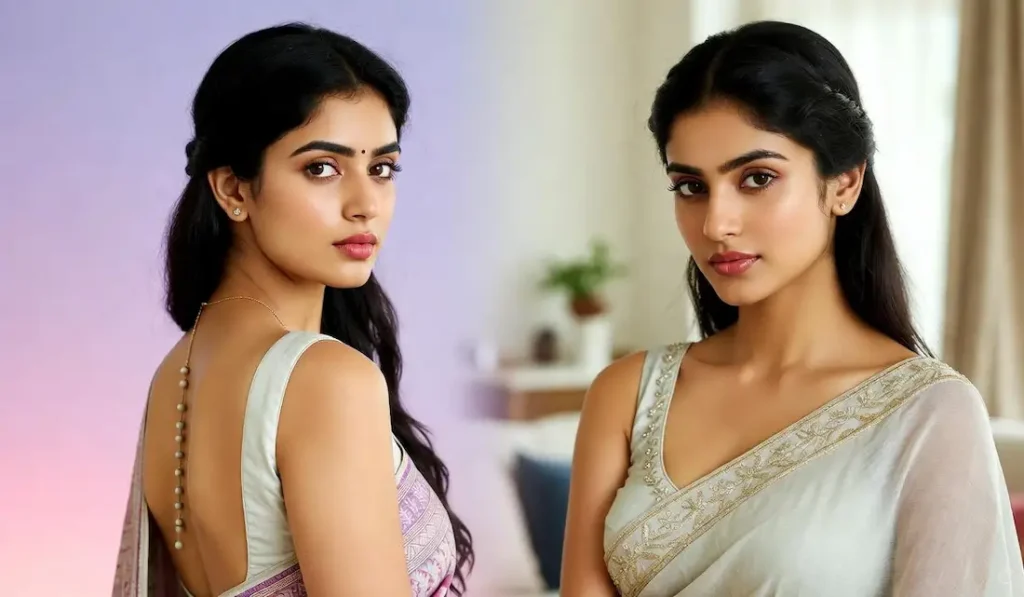
Blouse sizing is where most of us go wrong—and I’m saying this from experience. I used to assume that my usual size would always work. It rarely did. Unlike kurtas or dresses, a saree blouse needs to fit precisely, not loosely and not too tight.
The first thing to understand is that blouse size is not just about bust measurement. Your under-bust, shoulder width, armhole depth, and blouse length all matter. Even a half-inch difference can change how comfortable a blouse feels. I’ve worn blouses that looked perfect while standing, but felt restrictive the moment I raised my arms.
If you’re buying readymade blouses, always check the size chart carefully. Indian sizing can vary widely between brands. A size 36 in one brand may feel tighter than a size 34 in another. What surprised me most was how often armholes are the real problem—not the bust.
For heavy-busted women, support is key. Look for blouses with wider shoulder straps, proper lining, and strong hooks or front openings. Sleeveless styles may look tempting, but they don’t always offer the comfort needed for long wear.
Petite women often face the opposite issue. Blouses may sit too long on the torso or gape at the back. In such cases, minor alterations make a big difference.
My honest advice? Measure yourself properly, don’t rely on guesswork, and never ignore comfort. A well-fitted blouse doesn’t just look better—it makes wearing a saree effortless.
Readymade vs Tailor-Made Saree Blouses
This is one question almost every woman asks—should I buy a readymade blouse or get one stitched? I’ve tried both over the years, and the answer really depends on how and where you plan to wear your saree.
Readymade blouses are convenient. They save time, come in trendy designs, and work well for regular wear or last-minute plans. Over time, I’ve found that readymade blouses with a little stretch or adjustable hooks are far more forgiving. However, they may not sit perfectly on every body type, especially around the armholes or back.
Tailor-made blouses, on the other hand, offer a customised fit. If you wear sarees often or for long hours—weddings, festivals, or office events—stitching is usually worth the effort. A well-stitched blouse supports your posture and feels almost invisible when worn right. The downside? It takes time, and the final result depends heavily on your tailor’s skill.
If you ask me, readymade blouses are great for everyday ease, while tailor-made ones shine for special occasions. Knowing when to choose which can save both money and frustration.
Blouse Necklines & Sleeve Styles: What Suits Daily Wear vs Occasions
Necklines and sleeves may seem like style choices, but in real life, they decide how relaxed or restricted you feel. I’ve worn beautiful blouses that stayed in the cupboard simply because they weren’t practical.
For daily wear, simple necklines work best. A round or shallow V-neck sits comfortably and doesn’t need constant adjustment. Boat necks look elegant but can feel tight if the shoulder fit isn’t right. I learned to reserve them for shorter outings.
When it comes to festive or wedding wear, deeper necklines, sweetheart cuts, and designer backs add drama. They photograph beautifully. But here’s the truth—these styles are best worn when you won’t be moving around too much or wearing the blouse for very long hours.
Sleeves matter more than we admit. Short or elbow-length sleeves are the most versatile and comfortable. Sleeveless blouses look stylish, but during long events, they can strain the shoulders. Full sleeves work well in winter weddings, though they need breathable fabric.
My simple rule now is this: for everyday comfort, keep it classic. For special occasions, experiment—but only when the fit is perfect.
Saree Blouse Fit Checklist Before Buying
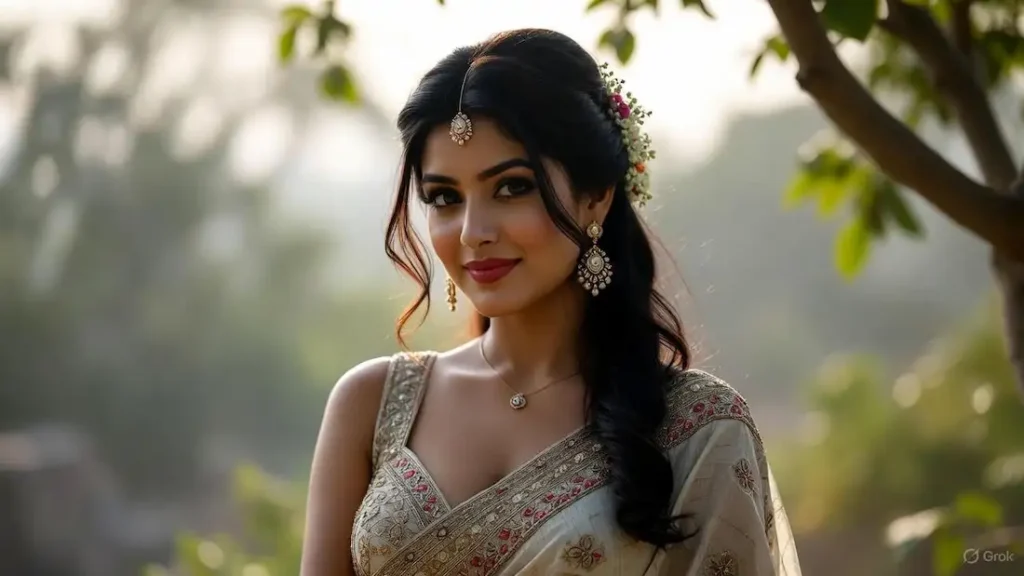
Before you buy or stitch a blouse, pause for a moment and do this simple fit check. It has saved me from many uncomfortable purchases. A blouse should feel secure, not restrictive, and supportive without feeling heavy.
Start with the shoulders and arm movement. Lift your arms, stretch slightly, and see if the blouse pulls or digs in. If it does, the fit is too tight. Next, check the bust and lining. The blouse should sit flat without gaping or pressing too hard. Good lining makes a big difference here.
Look at the back fit as well. Hooks or zips should lie smoothly, not create folds or strain lines. If you’re constantly adjusting the blouse, it’s a sign something is off.
Finally, sit down and move around. This step is often skipped, but it matters the most. A well-fitted blouse should stay comfortable whether you’re standing, walking, or seated.
If it passes all these checks, you’ve likely found a blouse that will look good—and feel even better—through the day.
Final Buying Tips: Choosing the Right Saree Blouse with Confidence
After years of trial, errors, and a few uncomfortable days, this is what I truly believe: a good saree blouse should disappear once you wear it. You shouldn’t be thinking about adjusting sleeves, checking hooks, or feeling tight around the chest. It should simply support you and let you enjoy your day.
If you’re confused while buying, always prioritise comfort over trends. Fashion changes, but an ill-fitting blouse will never feel right. Choose fabrics that suit the Indian climate, closures that are easy for you to manage, and sizes that allow natural movement.
Don’t hesitate to alter a blouse if needed. Even small changes can improve fit dramatically. And remember, price doesn’t always decide quality—some of my most comfortable blouses were simple, well-made pieces.
Trust your body, not just the mirror. When a blouse feels right, it shows in how confidently you carry your saree. And that confidence is what truly completes the look.
Also Read
Disclaimer:
Some links in this article may be affiliate links. If you choose to buy through them, DealNxt may earn a small commission at no extra cost to you. This helps support our research and honest reviews.
About the Author:
Madhu Roy is the founder of DealNXT.in, where she researches and shares honest product insights, deals, and practical buying guides. She focuses on researching online deals, comparing budget-friendly products, and creating practical buying guides for everyday shoppers, and her love for travel and everyday lifestyle shopping helps her understand what readers truly need. Her goal is to help people save time, avoid poor purchases, and shop smarter online with confidence.