Why Saree Styling Matters for Indian Women
There’s something timeless about a saree. No matter how fashion trends change, a well-styled saree always feels elegant, confident, and unmistakably Indian. Yet, most women will agree—wearing a saree beautifully isn’t just about the fabric. The blouse fit, the way the saree is draped, and even the heels you choose can completely transform how you look and feel.
Over the years, I’ve realised that many saree styling mistakes happen not because of poor taste, but because of confusion. Blouses that look stunning online feel uncomfortable in real life. Drapes slip or feel bulky after a few hours. And the wrong heels can ruin an otherwise graceful look. This saree style guide for women in India is designed to simplify all of that—helping you choose the right blouse, flattering drapes, and heels that truly work for Indian bodies, occasions, and weather.
Saree Blouse Style Guide for Women in India: Fit, Necklines & Comfort
If there’s one element that can make or break your saree look, it’s the blouse. A beautiful saree paired with an ill-fitting or uncomfortable blouse can instantly take away from your confidence. Through years of wearing sarees for work, family functions, and long festive days, one thing becomes clear—the right blouse should support you, flatter your shape, and stay comfortable for hours.
When choosing a blouse, always prioritise fit over trend. A blouse that fits snugly around the bust and shoulders (without digging in) creates a clean silhouette under the saree. Too tight, and you’ll keep adjusting all day. Too loose, and the saree loses its structure. For Indian women, especially in warm weather, breathable fabrics like cotton blends, silk-cotton, or lightweight satin linings make a noticeable difference.
Necklines also play a big role in saree styling. Boat necks and V-necks are universally flattering and work well for both office and festive wear. High neck blouses look elegant but are best reserved for lighter sarees or shorter events, as they can feel restrictive over time. If you prefer sleeveless blouses, ensure the armholes are cut correctly—this small detail greatly improves comfort and posture.
Sleeves deserve attention too. Elbow-length or short sleeves balance the overall saree look and are ideal for Indian body types. They also provide better support and coverage, especially for long wear. While backless and deep-back blouses look stunning for weddings, they’re not always practical for daily or office saree styling.
In this saree style guide for women in India, the golden rule is simple: a blouse should feel as good as it looks. When your blouse fits well and feels comfortable, the saree automatically falls better—and you carry yourself with effortless grace.
Best Blouse Styles for Different Saree Fabrics (Cotton, Silk & Georgette)
Not every blouse works with every saree—and this is where many saree looks go wrong. The fabric of your saree plays a huge role in deciding the blouse style that will complement it. Once you start matching blouse design with saree fabric, styling a saree becomes surprisingly effortless.
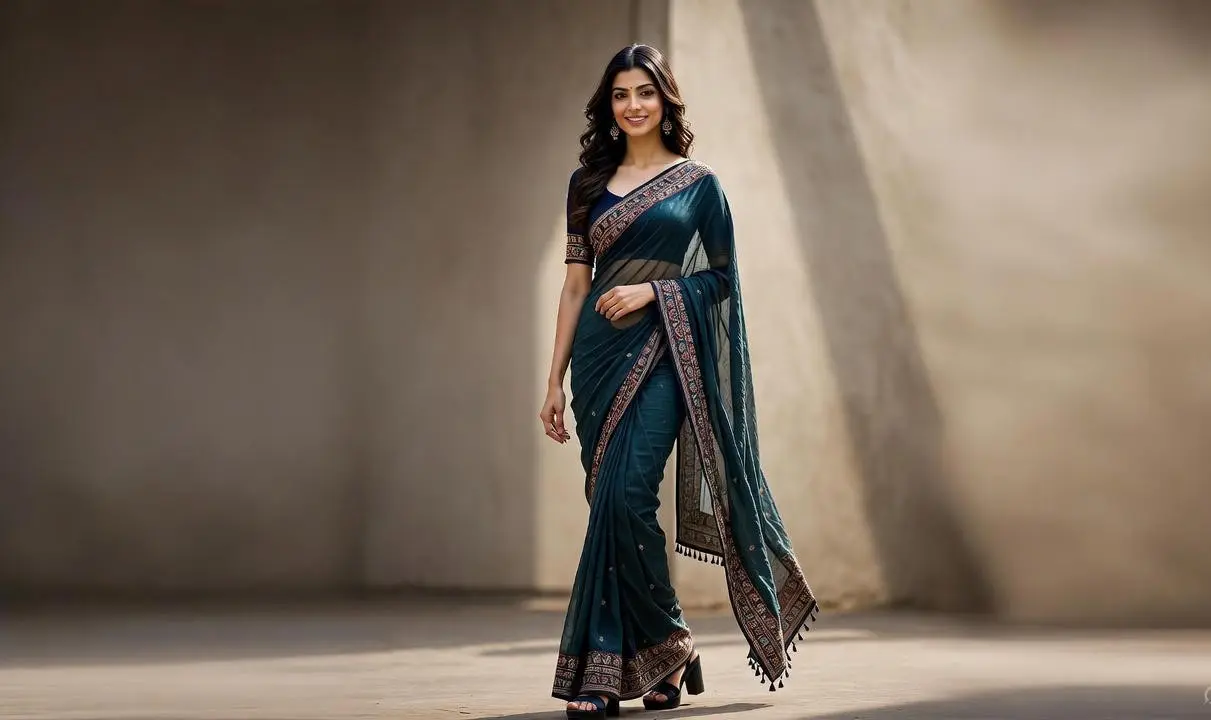
For cotton and handloom sarees, simplicity is key. These sarees look best with structured blouses that offer clean lines and good support. Boat necks, round necks, and modest V-necks in cotton or cotton-silk fabrics enhance the elegance of everyday and office saree looks. Elbow-length sleeves or short sleeves balance comfort and polish, making them ideal for long workdays and warm Indian weather.
Silk sarees, especially those worn for weddings and festivals, allow more room for detailing. Rich fabrics like brocade, raw silk, or Banarasi silk blouses pair beautifully with silk sarees. High necks, deeper backs, and well-fitted sleeves add a regal touch. However, comfort should never be compromised—light linings and breathable stitching ensure the blouse remains wearable throughout long celebrations.
When it comes to georgette, chiffon, and crepe sarees, the blouse needs to provide structure without adding bulk. These flowy fabrics look best with fitted blouses, sweetheart necklines, or softly shaped V-necks. Sleeveless or cap-sleeve blouses work well here, as they keep the overall look light and modern. Avoid heavy padding or stiff fabrics, as they can disturb the natural fall of the saree.
This saree style guide for women in India emphasises one simple rule: let your blouse support the saree, not compete with it. When fabric and blouse design are in harmony, your saree looks refined, balanced, and effortlessly stylish. choosing the right saree fabric matters just as much as the blouse—especially when you’re shopping for the best sarees in India for festive wear.
Saree Draping Styles That Enhance Indian Body Types
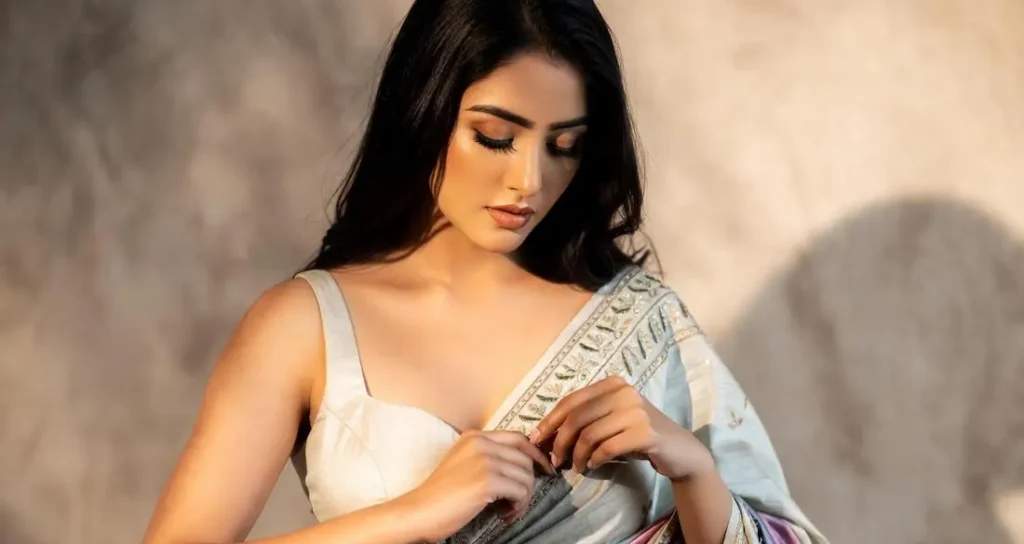
A saree’s beauty truly comes alive in the way it is draped. Even the most expensive saree can look ordinary if the drape feels awkward, while a simple saree can look stunning when draped well. Over time, many Indian women discover that the right draping style doesn’t just improve appearance—it also adds comfort and confidence.
The classic Nivi drape remains a favourite for good reason. It suits almost all Indian body types and works beautifully for office wear, family gatherings, and festive occasions. Clean, evenly spaced pleats at the waist help define the silhouette, while a neatly pinned pallu keeps the look graceful without constant adjustments.
For women who prefer a more relaxed feel, especially during long hours, a soft pleated drape with fewer waist pleats works well. This style allows better movement and feels lighter, making it ideal for cotton and daily-wear sarees. It also helps avoid bulk around the midsection, which many women struggle with.
Flowy sarees like chiffon and georgette look best with minimal pleating and a free-falling pallu. This drape highlights the natural fall of the fabric and creates an elegant, elongated look. It’s a popular choice for parties and evening events, especially when paired with well-fitted blouses and heels.
For festive and traditional occasions, slightly structured drapes with well-set pleats add formality and poise. While these drapes may take a few extra minutes to perfect, the polished finish is worth the effort. In this saree style guide for women in India, the key takeaway is simple—choose a drape that complements your body, your saree fabric, and the time you plan to spend wearing it.
How to Choose the Right Saree Drape for Your Body Shape
One of the biggest saree styling myths is that a single drape works for everyone. In reality, small draping adjustments based on body shape can make a noticeable difference in how comfortable and confident you feel. The goal isn’t to hide your body, but to let the saree fall in a way that flatters you naturally.
If you have a petite frame, opt for neat, narrow pleats and avoid overly bulky drapes. Keeping the pallu light and well-pinned helps create a taller, more streamlined look. High-waisted pleating also gives the illusion of added height, especially when paired with heels.
For curvy or fuller body types, slightly wider pleats at the waist provide balance and structure. A securely pinned pallu prevents the saree from shifting and helps maintain a clean silhouette throughout the day. Drapes that fall smoothly without excess fabric around the midsection tend to look more polished and effortless.
Women with a straight or athletic build can experiment with drapes that add softness and dimension. Layered pallus or gently pleated styles create curves visually, while lighter fabrics help avoid a stiff appearance. This is where chiffon, georgette, and crepe sarees truly shine.
In this saree style guide for women in India, comfort is as important as appearance. When your drape suits your body shape, you’ll notice fewer adjustments, better movement, and a saree look that feels truly yours.
Best Heels and Sandals That Work with Sarees in India
The right heels or sandals can quietly elevate your saree look—or completely ruin it if chosen poorly. Many women focus so much on the saree and blouse that footwear becomes an afterthought. Yet, after wearing a saree for a full day, it’s usually the feet that complain first.
For daily wear and office sarees, comfort should always come before height. Low block heels, wedges, and well-cushioned sandals offer stability and support, especially if you’re on your feet for long hours. They also help maintain a natural posture, allowing the saree to fall neatly without constant tugging or tripping.
When it comes to festive or wedding sarees, heels add elegance and structure. Medium-height block heels or platform heels work better than thin stilettos, particularly on uneven surfaces common at Indian venues. These heels provide balance while still giving that graceful lift that enhances the saree’s silhouette.
For women who prefer flats, don’t worry—flat sandals can look just as stylish with sarees when chosen wisely. Embellished kolhapuris, metallic flats, or minimal strap sandals pair beautifully with cotton, silk, and casual festive sarees. The key is ensuring the saree length is adjusted properly so it doesn’t drag or fold under the feet.
This saree style guide for women in India keeps one rule at the centre: your heels or sandals should support your saree look, not distract from it. When footwear feels comfortable and looks balanced, you walk with confidence—and that’s what truly completes a saree.
Saree Styling Tips for Office Wear, Casual Days & Festive Occasions
Styling a saree isn’t about dressing up every time—it’s about dressing right for the occasion. The same saree can feel effortless or overwhelming depending on how it’s styled. Understanding this balance makes saree dressing far more enjoyable and wearable.
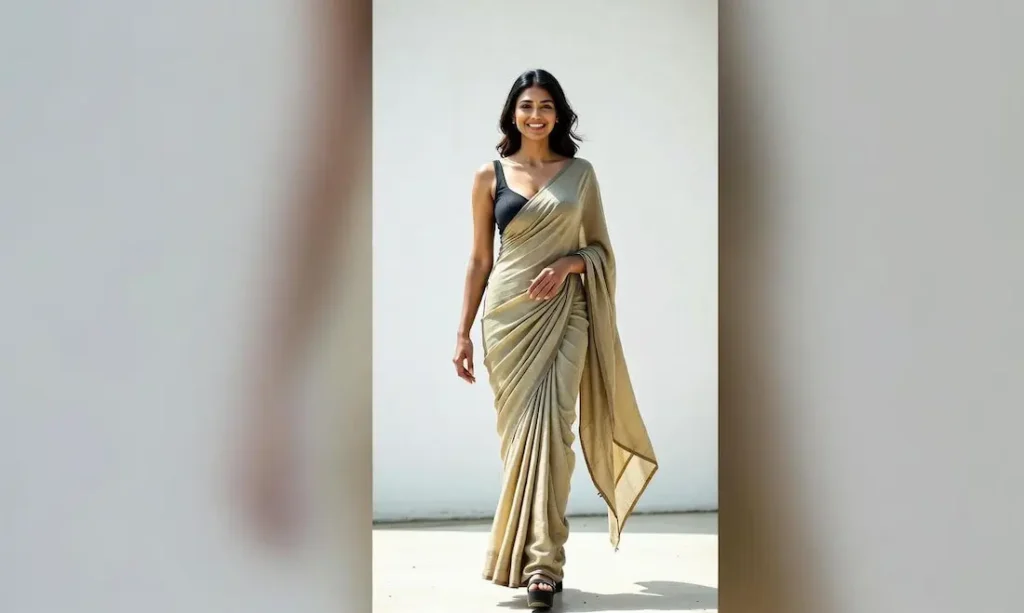
For office wear, simplicity and structure are your best allies. Choose lightweight cotton, linen, or soft silk sarees with clean prints or subtle borders. Pair them with well-fitted blouses in neutral shades and avoid heavy embellishment. A neat drape, minimal jewellery, and comfortable block heels or sandals keep the look professional yet elegant, even during long workdays.
On casual or everyday occasions, saree styling should feel relaxed. Think breathable fabrics, softer drapes, and blouses that prioritise comfort. Sleeveless or short-sleeve blouses work well here, especially in warmer weather. Flat sandals or low wedges keep the look grounded and practical, while still feeling put-together.
For festive and celebratory events, this is where you can lean into richness—without going overboard. Silk or festive sarees look best with thoughtfully designed blouses, a slightly more structured drape, and statement heels. The key is balance: if the saree is heavy, keep accessories lighter; if the blouse has detailing, let the drape stay simple.
This saree style guide for women in India encourages dressing with intention. When your saree styling matches the occasion, you don’t just look good—you feel confident, comfortable, and completely yourself. If you’re planning a festive look, exploring these handpicked festive sarees worth buying this season can help narrow down your choices
Common Saree Styling Mistakes Indian Women Should Avoid
Even the most beautiful saree can lose its charm due to a few small styling missteps. The good news is that most saree styling mistakes are easy to fix once you’re aware of them.
One of the most common mistakes is ignoring blouse fit. A blouse that’s too tight, too loose, or poorly stitched can make the saree look untidy and feel uncomfortable. Always prioritise proper fitting, especially around the shoulders, bust, and armholes. Comfort directly affects posture—and posture defines how a saree looks.
Another frequent issue is overloading the look. Heavy blouses, bold jewellery, dramatic makeup, and high heels worn together can overwhelm the saree instead of enhancing it. Saree styling works best when one element stands out and the rest stay understated.
Many women also underestimate the importance of correct footwear. Wearing heels that are too high or uncomfortable leads to awkward movement and constant adjusting. Similarly, wearing flats without adjusting saree length often results in dragging or creasing at the hem.
Finally, poor drape security—skipping pins or relying solely on tucking—can cause discomfort and anxiety throughout the day. In this saree style guide for women in India, the emphasis is simple: thoughtful preparation ensures your saree looks graceful from morning to night.
Conclusion: Finding Your Own Saree Style
A saree is more than just an outfit—it’s an expression of comfort, confidence, and personal style. When the blouse fits well, the drape feels natural, and the heels or sandals support you through the day, wearing a saree becomes effortless rather than intimidating.
This saree style guide for women in India isn’t about following strict rules, but about understanding what truly works for your body, lifestyle, and occasions. Small choices—like breathable fabrics, secure drapes, and comfortable footwear—make a big difference in how a saree looks and feels over time.
Style evolves with experience, and every saree you wear teaches you something new. Trust your comfort, make thoughtful adjustments, and allow your saree to move with you. When you feel at ease, elegance follows naturally—and that’s when a saree truly shines.
Saree Style Guide FAQs: Blouse, Drape & Heels
Which blouse style suits most Indian women?
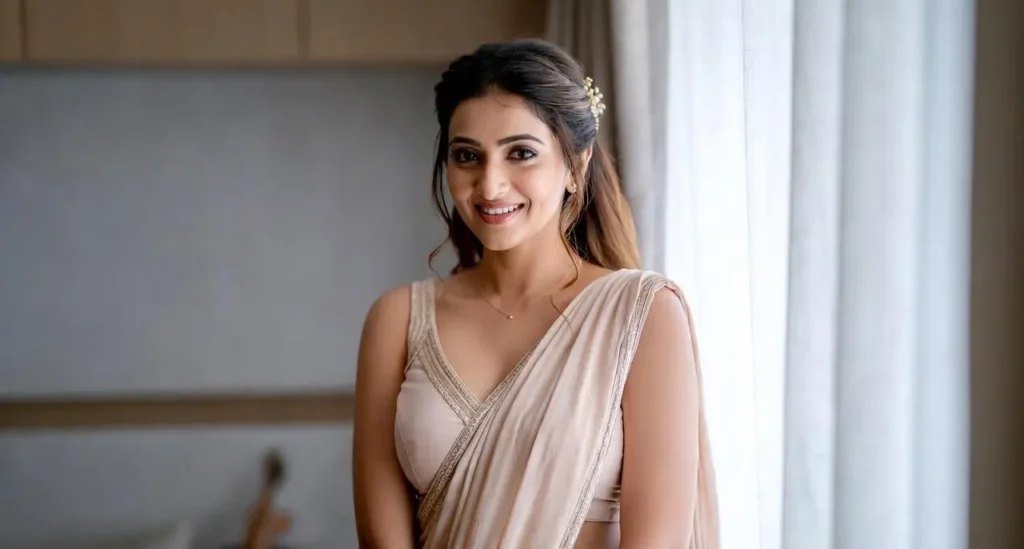
Blouse styles with clean necklines like boat necks, round necks, or soft V-necks suit most Indian women. These designs balance comfort and elegance while working well with different saree fabrics. A well-fitted blouse with breathable fabric always looks better than a trendy but uncomfortable one.
How do I choose the right saree drape for my body type?
The right saree drape depends on comfort and balance. Neat pleats work well for petite frames, while slightly wider pleats suit curvier body types. Lightweight fabrics and secure pinning help the saree fall naturally, making movement easier throughout the day.
Are heels necessary to look good in a saree?
No, heels are not mandatory. While heels add height and structure, flat sandals can look equally elegant when styled correctly. The key is adjusting the saree length and choosing footwear that allows you to walk comfortably and confidently.
What are the most common saree styling mistakes to avoid?
Poor blouse fit, uncomfortable footwear, and over-accessorising are the most common mistakes. Ignoring comfort often leads to constant adjustments, which affects posture and confidence. Simple, balanced styling usually creates the most graceful saree look.
Also Read
Disclaimer:
Some links in this article are affiliate links. This means we may earn a commission if you choose to buy through them, at no additional cost to you. We only recommend products we genuinely believe are useful.
About the Author:
Madhu Roy is the founder of DealNXT.in, where she researches and shares honest product insights, deals, and practical buying guides. She focuses on researching online deals, comparing budget-friendly products, and creating practical buying guides for everyday shoppers, and her love for travel and everyday lifestyle shopping helps her understand what readers truly need. Her goal is to help people save time, avoid poor purchases, and shop smarter online with confidence.