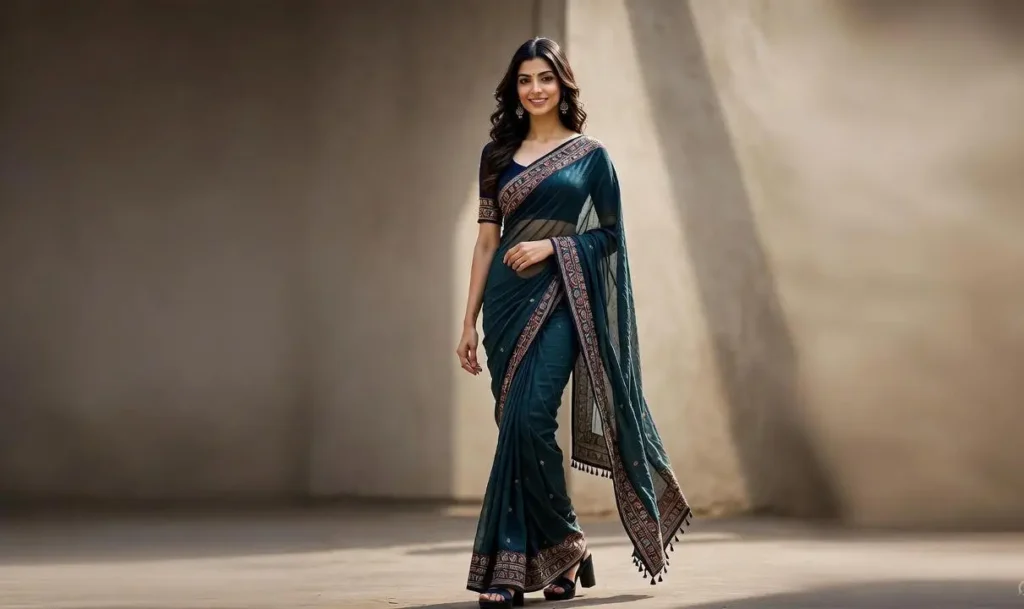
If I’m being honest, winter dressing in India used to stress me out every single year. I would pull out those bulky sweaters, wrap a scarf three times, and still end up feeling like a walking quilt—warm, yes, but absolutely shapeless. And the worst part? Indian winters vary so much that what keeps you warm in Delhi will make you melt in Mumbai. After too many fashion disasters and way too many mornings standing confused in front of my wardrobe, I finally decided to master winter layering for women in India properly.
Over the last two winters, I experimented with countless combinations—different thermals, sweater fabrics, jacket lengths, layering orders—and discovered that you can absolutely stay warm without looking bulky. In fact, a smartly layered outfit looks more polished than any single heavy piece you throw on. And that’s exactly what this guide is about: practical layering that works for the Indian climate, Indian body shapes, and Indian winter routines.
Whether you’re a Delhi girl bracing for foggy cold mornings, a Bangalore woman balancing chilly evenings with warm afternoons, or a Mumbai traveller preparing for your hill-station getaway, this guide will help you build outfits that feel light, warm and irresistibly chic. I’ll also link my tested thermal and sweater reviews along the way so you can shop smarter without wasting money.
Let’s build your perfect winter wardrobe—one layer at a time.
Why Winter Layering in India Needs a Different Approach
Unlike the West, Indian winters are unpredictable. Mornings are chilly, afternoons warm up, and evenings dip again. In cities like Delhi or Shimla, temperatures can drop really low, while Mumbai barely sees sweater weather. This changing temperature pattern means a single thick jacket simply doesn’t work—it’s either too warm or not warm enough.
That’s why layering matters so much here.
When you layer the right way, you create a flexible outfit that adapts to the temperature throughout the day. You stay warm but also feel light and put-together. Most importantly, good layering in India means choosing fabrics that breathe, colours that pair well, and silhouettes that flatter the Indian body frame.
This smart layering system is the foundation of every stylish winter outfit you’ve seen online—and we’re about to break it down step-by-step.
The 3-Layer Winter System (Indian Climate Edition)
This is the formula used by stylists worldwide, adapted for our Indian weather and lifestyle:
1. Base Layer (Thermals) — for warmth
2. Mid-Layer (Sweaters & Knits) — for structure
3. Outer Layer (Jackets & Coats) — for style + insulation
4. Accessories — the final polish
When these four work together, you stay warm without bulk.
Let’s go deeper into each layer.
1. Base Layer (Thermals) – Your Invisible Warmth Shield
Thermals often feel like the least glamorous part of winter fashion, but in reality they are the silent heroes of every stylish layered outfit. A beautifully tailored coat or a soft ribbed sweater can only do its best work if the foundation underneath is warm, breathable and non-bulky. Most Indian women skip thermals because they associate them with thick, old-fashioned woollens that itch and add volume. But the new generation of thermals is smooth, feather-light and almost invisible under clothing.
What makes a great thermal for Indian winter layering women is not thickness—it is fabric technology. Modal-blend thermals, for instance, hug the body gently and feel like a luxurious second skin. They’re ideal for cities like Bangalore, Pune or Hyderabad, where winter is cool but not freezing. In contrast, fleece-lined cotton thermals provide a soft, brushed interior that feels like warm velvet against the skin—perfect for Delhi’s chilly foggy mornings or those weekend getaways to Mussoorie and Manali. And then there’s merino wool, the gold standard: it’s ultra-light, odour-resistant, breathable and incredibly warm, making it excellent for travellers or women who prefer minimal layers without compromising warmth.
Colour selection also matters more than most realise. Skin-tone thermals blend seamlessly under lighter outfits, black works under denims and dark sweaters, and white is perfect for shirt-layering days. Fit is another crucial factor. A thermal should never pinch or compress; instead, it should skim your body smoothly so it traps heat without adding volume. When this foundation layer works properly, everything you wear on top—whether a delicate knit or a structured coat—sits beautifully, without bumps or lines.
This single change—adding a good thermal—can instantly elevate your winter wardrobe because it reduces the need for heavy, bulky outer pieces. It keeps you warm while letting you dress exactly the way you want.

2. Mid Layer – Sweaters, Cardigans & Chic Knits
The mid-layer is where your personality truly shows. This is the layer that people notice first when you remove your jacket indoors, and it sets the tone for the entire outfit. For Indian winters, the goal is softness and structure—warmth without weight. And this is where the world of knits becomes endlessly exciting.
Ribbed knits, for instance, are every woman’s best friend. They glide over the body in a way that creates shape without clinging uncomfortably. A classic ribbed mock-neck in beige or black can make your frame look longer and more refined instantly. Pair it with trousers for work, or jeans and boots for a casual day, and you’ll look effortlessly put-together. Cable knits, on the other hand, add texture and visual interest. Their woven patterns catch the light beautifully, and though they historically lean towards a chunky look, modern lightweight cable knits use thinner yarn, making them perfect for layering without heaviness.
Cardigans deserve special appreciation in Indian climates because they offer both warmth and flexibility. A longline cardigan can transform a simple jeans-and-tee combination into a polished winter outfit, while cropped cardigans work brilliantly for high-waist silhouettes—giving you a defined waist even in winter clothing, which is something many Indian women appreciate. If you prefer softer silhouettes, relaxed-fit knits work wonders. They add dimension to your outfit without making you look bulky, especially when paired with straight-cut or slim trousers.
Fabric choice is equally important. Acrylic-wool blends are the most versatile option in India—light, warm and easy on the pocket. Cotton knits are excellent for mild winters or office settings where heaters often make interiors warmer. If you want a luxurious feel, cashmere or cashmere-blend sweaters are unmatched: buttery soft, weightless, warm and elegant. Even a single cashmere piece in your wardrobe can elevate your winter style for years.
Colour theory plays a surprisingly large role in winter layering women India. Neutrals like beige, ivory, charcoal and camel pair beautifully with denim and wool coats, while jewel tones such as emerald, burgundy and sapphire instantly add richness to colder outfits. Pastel sweaters also pair wonderfully with Indian skin tones, especially soft lavender and blush pink. When layering multiple pieces, staying within the same tonal family—like cream-beige-brown or grey-charcoal-black—creates a sleek, expensive-looking effect.
The magic of this mid-layer is how it adapts to your body shape. Pear-shaped women look stunning in V-neck knits that balance proportions. Apple-shaped women benefit from lightweight knits paired with long outerwear to elongate the silhouette. Petite women look best in fitted sweaters or cropped cardigans that don’t overwhelm their frame. Women with broad shoulders should look for raglan or dropped shoulders that soften the upper body.
This is why the mid-layer is the most important piece to invest in: it carries the outfit, defines the mood, and makes layering feel intentional rather than accidental.
3. Outer Layer – Jackets, Blazers, Puffers & Coats
If sweaters are the soul of your winter wardrobe, jackets and coats are the statement. This is the layer that announces your style before you say a word. Indian winters require outerwear that is warm but not suffocating, structured but not rigid, stylish but still practical for everyday use. And the good news is that Indian brands now offer a sophisticated range of outerwear that suits every climate zone.
Puffer jackets have evolved dramatically. Today’s lightweight puffers are warm without the bulky Michelin-man silhouette that older puffers were known for. The quilting patterns—diamond, horizontal, chevron—create flattering structures when chosen wisely. For example, chevron puffers naturally draw the eye inward, creating a slimming effect. Short puffers work beautifully for casual days or college outfits, while long puffers are perfect for hill-station travel or especially cold North Indian days.
Wool coats are the true elegance pieces of winter fashion. Even a simple jeans-and-tee combination becomes instantly chic when topped with a camel or charcoal wool coat. For office wear, nothing beats the sophistication of a longline coat over a crisp sweater and trousers. And the beauty of wool-blend coats is that they don’t have to be 100% wool to look elevated—a 20–40% wool blend is enough to offer warmth while staying lightweight. This makes them perfect for cities like Delhi, Jaipur, Chandigarh and even Bangalore evenings.
Blazers deserve a special mention because they are the most versatile outerwear for Indian winters. A structured blazer layered over a thin knit and thermal is the perfect work outfit—elegant, warm and incredibly polished. Oversized blazers create a contemporary, model-off-duty look, while tailored blazers provide that sharp, ultra-professional vibe we often admire in magazine editorials.
Denim jackets and shackets (shirt-jacket hybrids) are great transitional pieces. In Mumbai, Pune or Chennai winters, a denim jacket layered with a ribbed knit is often all you need. Shackets, with their soft flannel or wool-blend textures, offer a relaxed yet stylish alternative to heavier outerwear.
Choosing the right outerwear length can completely change your silhouette. Petite women generally look taller in hip-length outerwear, while longline coats elongate the frame beautifully for women of all heights. Women with broader shoulders should choose jackets with minimal padding and clean seams to avoid adding extra width. If your goal is to look slimmer in winter clothing, the secret is structure—jackets with defined shoulders, clean lines and minimal bulk.
Each city’s winter also calls for different outerwear strategies. Delhi and North India: warm puffers and wool coats. Bangalore: blazers and light wool-blend jackets. Hyderabad and Pune: denim jackets, shackets and cardigans. Mumbai: layering-friendly blazers and oversized shirts paired with light knits.
This outer layer is ultimately a confidence layer. When it fits well and complements your inner layers, you look effortlessly elevated—even in the coldest months.
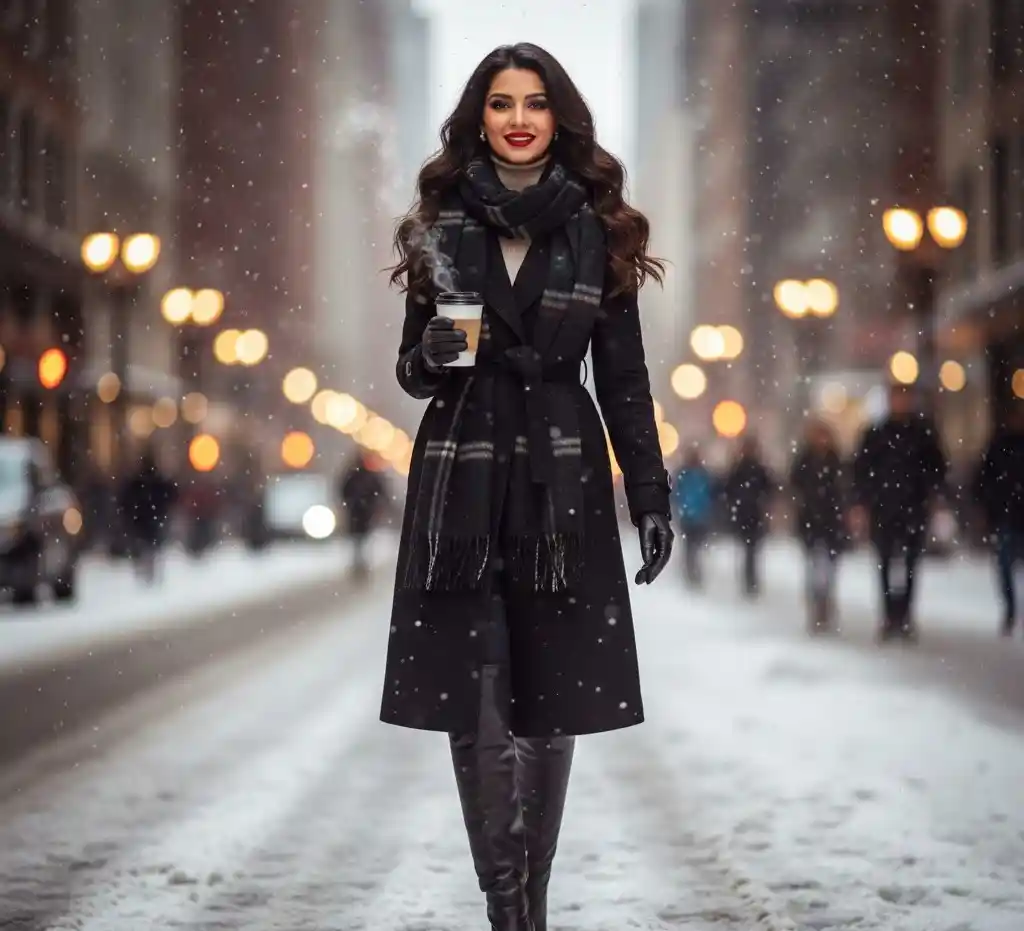
4. Accessories – The Finishing Touch That Makes Everything Look Intentional
Accessories are where your winter outfit becomes personal. They are the polish, the accent, the little hint of luxury or fun that ties your entire look together. Many women overlook them because they seem optional, but the right accessory transforms a simple layered outfit into a stylish ensemble.
Scarves, for instance, are more than functional—they’re a styling tool. A long wool-blend scarf draped effortlessly around your neck adds both warmth and grace. A structured European knot creates a sharp, sophisticated impression, while a loose wrap gives a softer, relaxed look. Materials matter: wool-blend scarves offer cosy warmth for Delhi winters, while acrylic-viscose blends are perfect for milder climates like Bangalore and Pune. Colours can elevate the entire outfit—try camel with black, cream with denim, or emerald with grey for a rich pop of elegance.
Beanies and caps also add dimension without effort. A cuffed beanie looks chic with puffers, while a slouchy beanie adds an urban, relaxed feel. Colours such as beige, charcoal, olive and blush complement Indian skin tones beautifully. Even gloves—often ignored—can complete your winter wardrobe, especially if you travel to colder regions. Fleece-lined gloves are functional for true winter, while thinner cotton gloves work well for daily commuting.
Belts are a hidden secret in winter styling. They can cinch oversized coats, define your waist, and turn a boxy silhouette into a graceful one. When used strategically, a belt can make even a basic coat look high-fashion.
The right accessories don’t just add warmth—they add identity. They give your outfit personality and coherence, making your winter style feel intentional rather than accidental.
Mix & Match Guide – Real Winter Outfits for Indian Women
Putting winter layers together can feel intimidating, but once you understand why certain combinations work, creating outfits becomes a joy. Here are expanded, stylist-approved outfit formulas designed for Indian climate and body proportions.
For Delhi office mornings, one of the most reliable combinations is a nude thermal, a ribbed beige sweater and a longline camel coat. The reason this outfit works so beautifully is balance: the fitted ribbed knit defines your torso, while the long coat elongates your frame. Pair it with slim black trousers and ankle boots, and you have an outfit that is warm, elegant and universally flattering.
For Bangalore or Pune mornings—where winter gently teases but never fully arrives—a modal thermal layered under a light sweatshirt and topped with a denim shacket is perfect. The shacket offers soft structure without weight, while the sweatshirt adds cosy charm. Straight-leg jeans and sneakers complete the look, making it comfortable for office, college or coffee dates.
For Mumbai women travelling to colder regions, the airport outfit matters because you’re between climates. Start with a lightweight thermal, layer an oversized sweater on top, and carry a puffer jacket so you’re ready for the colder landing destination. Leggings add comfort, chunky sneakers support long airport walks, and a cap or knitted beanie adds a stylish travel vibe.
For Shimla or Manali trips, the formula becomes warmth-first: merino thermal, fleece-lined hoodie and a heavy puffer jacket. But even this outfit can look stylish when you choose coordinated colours—think beige hoodie, cream puffer and brown boots. Functional, warm and still Instagram-ready.
For college outfits, cropped sweaters paired with high-waist jeans strike the perfect balance between cute and practical. Add a short puffer jacket or a soft cardigan depending on your city climate. A beanie or a backpack can pull the look together effortlessly.
For plus-size layering, silhouettes matter more than size. Smooth thermals avoid added bulk, V-neck knits elongate the neckline, and structured blazers or long coats create vertical lines that slim the frame. Dark denim or straight trousers ground the look, while heeled boots add height without discomfort.
These outfit formulas are not rigid rules—they’re starting points. Once you understand how layering affects proportion, colour and mood, you can mix and match endlessly to create your own winter style.
Winter Layering Mistakes Indian Women Make
Every woman experimenting with winter layering eventually makes a few common mistakes—usually without realising why the outfit isn’t flattering. The first is choosing unnecessarily heavy sweaters. Thick knits add bulk in the wrong places and make your silhouette look wide. Instead, a light, well-fitted knit layered correctly provides warmth and shape.
Another common issue is choosing polyester or synthetic tops as the first layer. These trap sweat and heat, creating discomfort throughout the day. Breathable thermals always outperform synthetic innerwear. Similarly, oversized jackets without structure can hide your natural shape. While oversized is trending, the wrong kind of oversized can make the outfit look sloppy. Structure—clean shoulders, defined seams, tailored lines—is what makes winter outerwear chic.
Colour combinations also create unexpected issues. Wearing too many contrasting tones without intention can make the outfit look chaotic. Sticking to tonal layers—beige with camel, charcoal with black, cream with brown—creates a luxurious, streamlined effect. Balancing proportions is equally important. If your top half is oversized, choose fitted bottoms. If your bottom half is voluminous, choose a sleek top.
Accessories, when ignored, flatten the outfit. Without a scarf or cap, winter outfits often look incomplete. These pieces add dimension, warmth and texture effortlessly.
The good news is that these mistakes are easy to fix, and once you do, your winter outfits will begin to feel more polished, stylish and cohesive.
Product Recommendations (Light, Warm & Stylish)
After weeks of testing sweaters, thermals, fleece layers, and jackets, I’ve created curated lists so you don’t waste money on low-quality winter wear.
You’ll find:
- Best budget thermals
- Chic sweaters under ₹1,299
- Lightweight jackets for Indian climate
- Warm travel-ready outfits

⭐ Please read below our detailed product article to explore more and choose the right winter dress.
👉 Best Thermals for Women – Tested Reviews
👉 Top 10 Sweaters for Women – 2025 Picks
👉 Best Jackets for Women – Affordable & Stylish
FAQ – Winter Layering for Women in India
How do I stay warm without looking bulky?
Choose a good thermal, add a fitted knit, and finish with a structured jacket. Avoid thick sweaters and instead layer light fabrics that trap warmth effectively.
What kind of thermals work best for Indian winters?
Modal-blend thermals work for most cities, fleece-lined cotton is great for North India, and merino wool is best for travel or extremely cold weather.
Is layering necessary if I already have a heavy jacket?
Yes! A single jacket can’t handle fluctuating temperatures. Layering keeps you warm but also gives you the flexibility to remove a layer when needed.
hat’s the best winter outfit for office wear?
A neutral thermal, a fine-knit sweater, tailored trousers, and a longline coat or structured blazer. It looks elegant, comfortable, and warm.
Final Styling Tips & Conclusion
Winter layering isn’t about piling on clothes—it’s about building warmth strategically while highlighting your personal style. When you choose the right thermal, pair it with a flattering knit, and finish with a well-fitted outer layer, you get the perfect balance of comfort and sophistication.
If you remember only one thing from this guide, let it be this:
Light layers keep you warmer and slimmer than one heavy piece ever will.
Before you shop this season, check my thermal, sweater, and jacket reviews—they’ll help you avoid low-quality fabrics, poor fits, and overpriced winter wear. Winter fashion is meant to be effortless and enjoyable, and with the right layering system, you’ll step out looking polished, confident, and ready to take on the season.
Stay warm, stay stylish. ❄️✨
Related Reading
- Best Jeans for Curvy Indian Women | Style + Fit Expert Advice
- Sneaker Buying Guide Women India — Choose Right, Wear More – Honest Reviews. Smart Picks.
- 10 Chic Sweaters for Women Under ₹1,299 – Affordable Picks
- Best Budget Thermals India 2025 | Top 10 Women’s Thermals
Disclaimer: The information provided in this article is for general guidance only. Product recommendations are based on independent research and opinions. This post contains affiliate links, and we may earn a small commission when you buy through them—at no additional cost to you.

About the Author:
Madhu Roy is the founder of DealNXT.in, where she researches and shares honest product insights, deals, and practical buying guides. She focuses on researching online deals, comparing budget-friendly products, and creating practical buying guides for everyday shoppers, and her love for travel and everyday lifestyle shopping helps her understand what readers truly need. Her goal is to help people save time, avoid poor purchases, and shop smarter online with confidence.